
Small world after all
Tsunami's Loud Is As and the old weird world of my youth

Sitting in the hot tub after diving practice the other night, my friend Jan said to me, “Guess what! Devo got nominated for a Grammy!” And I said, “You know who else did? ME.”
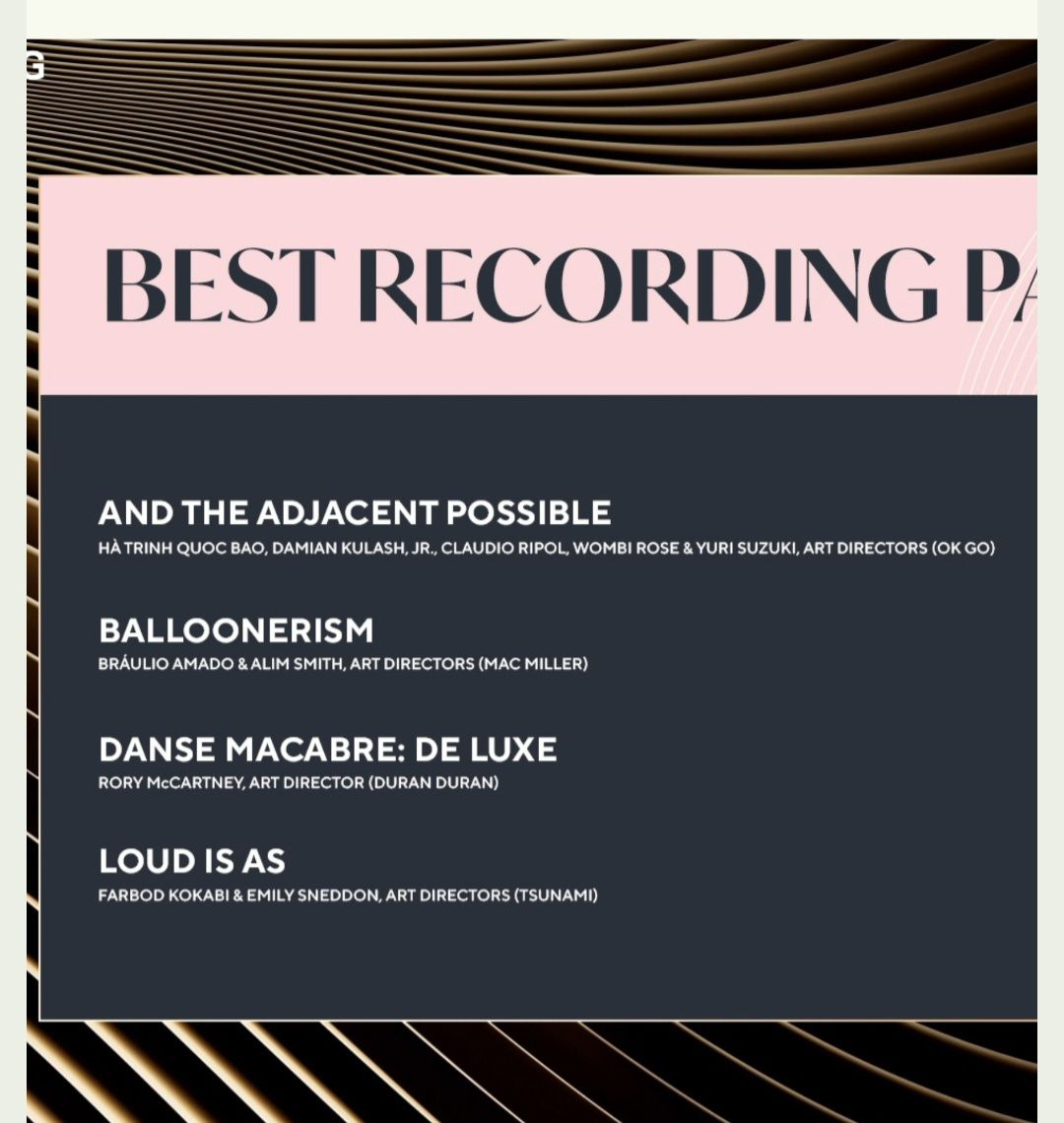
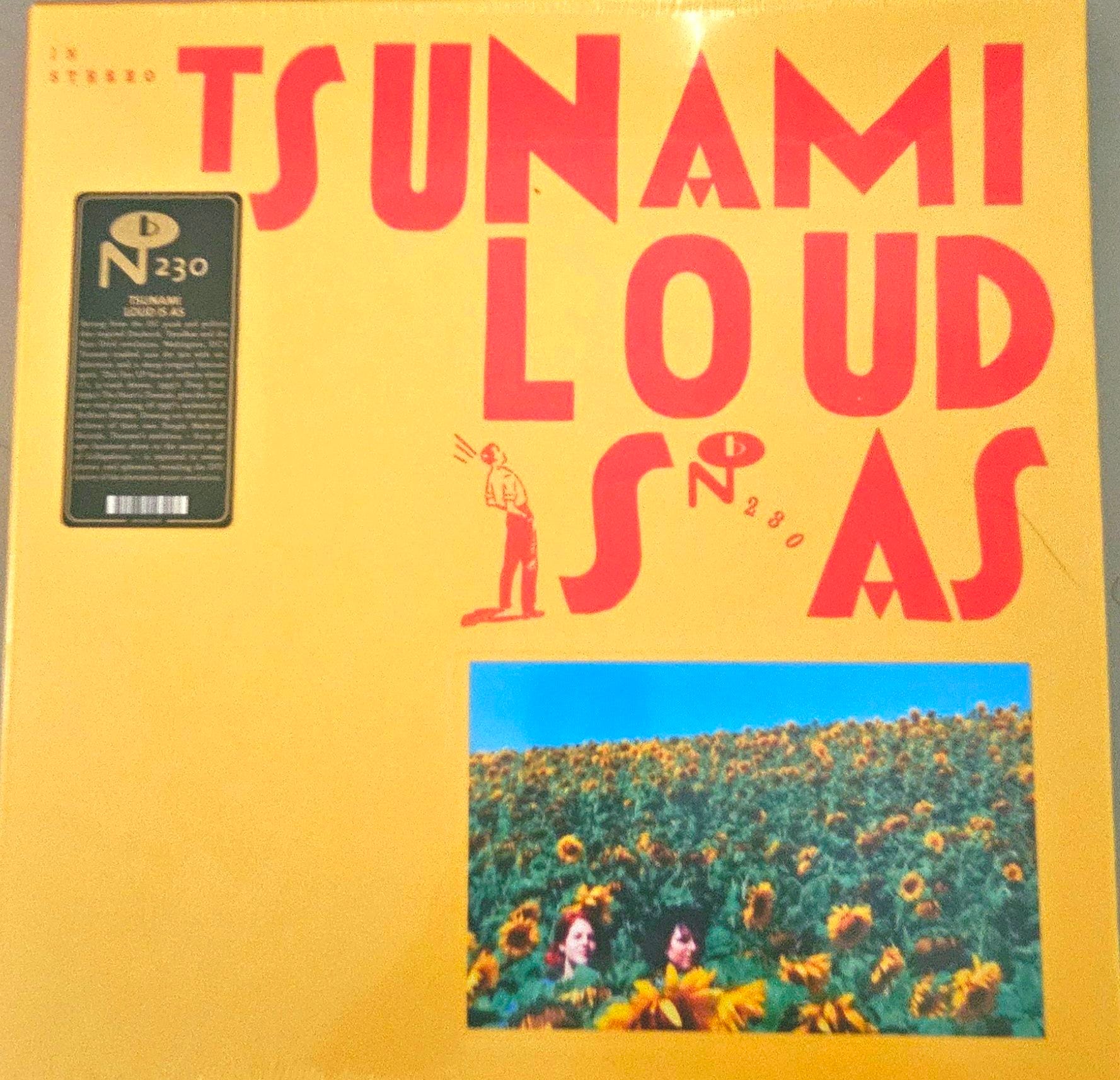
Ha ha, not really: that would be ridiculous but it was fun to say it. And it is true that a project I worked on did, and I can’t tell you how surprised I was to see it on the list. So old school! But the Grammys have always had a lot of categories that don’t get aired on TV, and many are rooted in old media. Both the category this was nominated for - best recording package (i.e. box set) - and the Grammys’ newest category, best album cover art, are a little bizarre because not so many people actually buy records with covers anymore, but that’s all the more reason to reward them for existing, and especially their artistic aspects. After all, we live in a very anti-art direction times, so congratulations to Farbod Kokabi and Emily Sneddon, who were responsible for this package, on their nomination, and also congrats to the Numero Group who still support these kinds of projects. To celebrate, please enjoy the liner notes I wrote for inclusion in it.
One night not that long ago, I went alone to a nightclub in the middle of a forest to see a band called the Meat Puppets. I didn’t know anyone who would want to drive up a wooded glen on a week night to see an old loud punk band, but as I sat quietly in a nearby café staring at my phone waiting for the show to begin, I saw a message on my Facebook page from someone who was sitting alone in their hotel room in San Francisco on a business trip.
“Grab a cab over the Golden Gate and come see the Meat Puppets with me” I wrote on her feed, and astonishingly, she did.
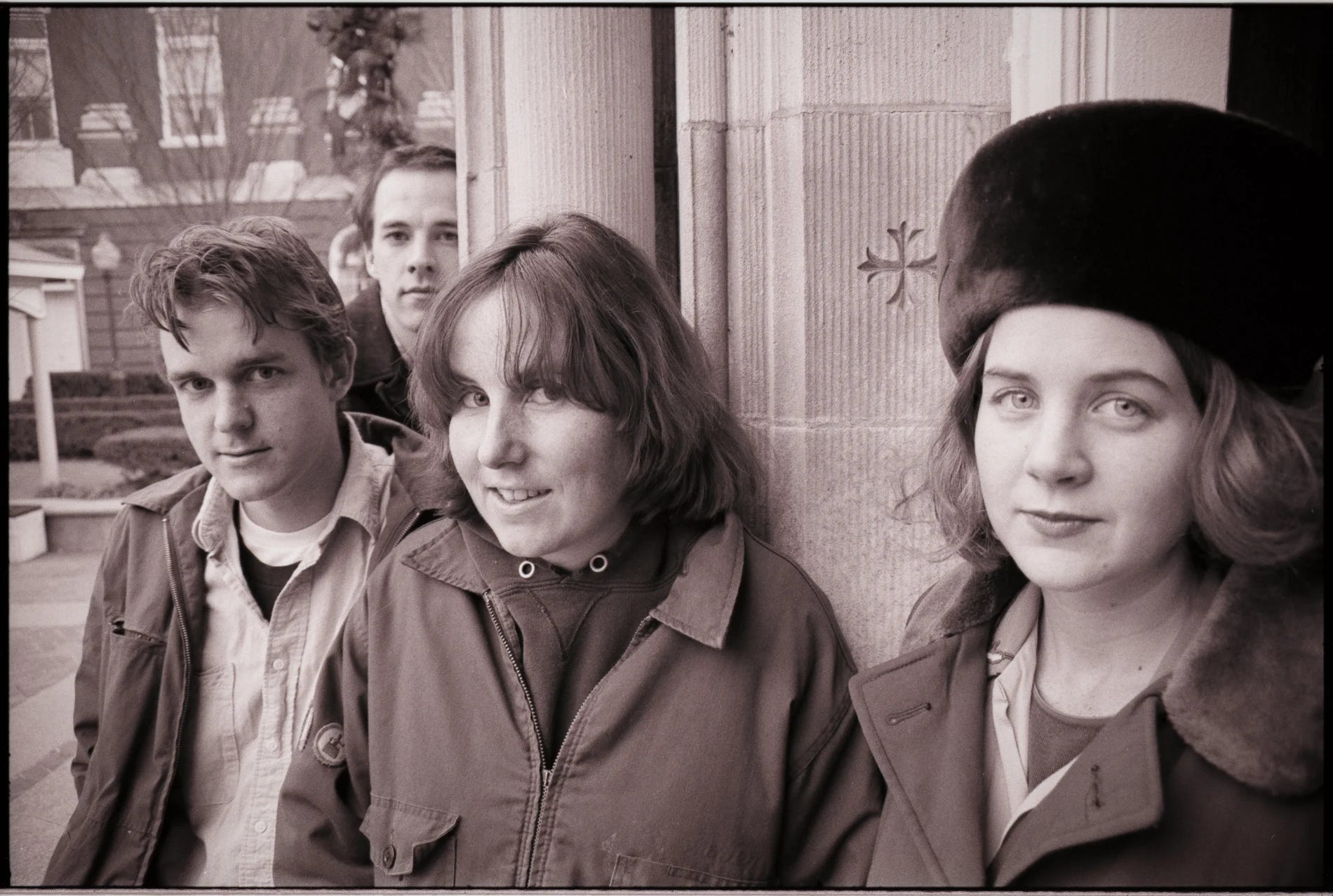
Jenny Toomey and I had actually never met, but I loved her old band Tsunami, and it turned out that was enough. There is a very particular lived experience we share which could very shortly be put as, “Going to see the Meat Puppets.” Or, Scrawl, or Helium, or Autoclave, or any of a hundred-odd other bands whom you may never have heard of but whose gigs and music and overall outlook stitch our pasts together into one cohesive whole.
In my case, it could also have been called, “Going to see Tsunami,” and in hers, “Being IN Tsunami.” In those days, those two things weren’t actually all that different.
In other words, our pasts were sort of interchangeable, which meant in a weird way that we were. And because our heads were full of all the same musical furniture, seeing the Meat Puppets together that night was exactly like we were two little children holding hands and entering a fairy tale. Again. As it had been before it ever shall be, and so there were Jenny and I, huddled together in confines of a shadowy nightclub, embanking ourselves against a cold hard world, burying ourselves, briefly, back in the past. What we did there was a secret we shared, and now I’ve been tasked with sharing it with you.
In those days, we didn’t have invisible music on digital files, we had large bulky record collections that fit into bankers’ boxes and had to be hauled around with great difficulty whenever we moved house. And we didn’t carry around little cameras or computers in our pockets, either, because we didn’t have the internet or GPS or even e-mail.
How did we even find out about new music, or shows that were happening near you, I hear you cry. And how did you get there when you did?
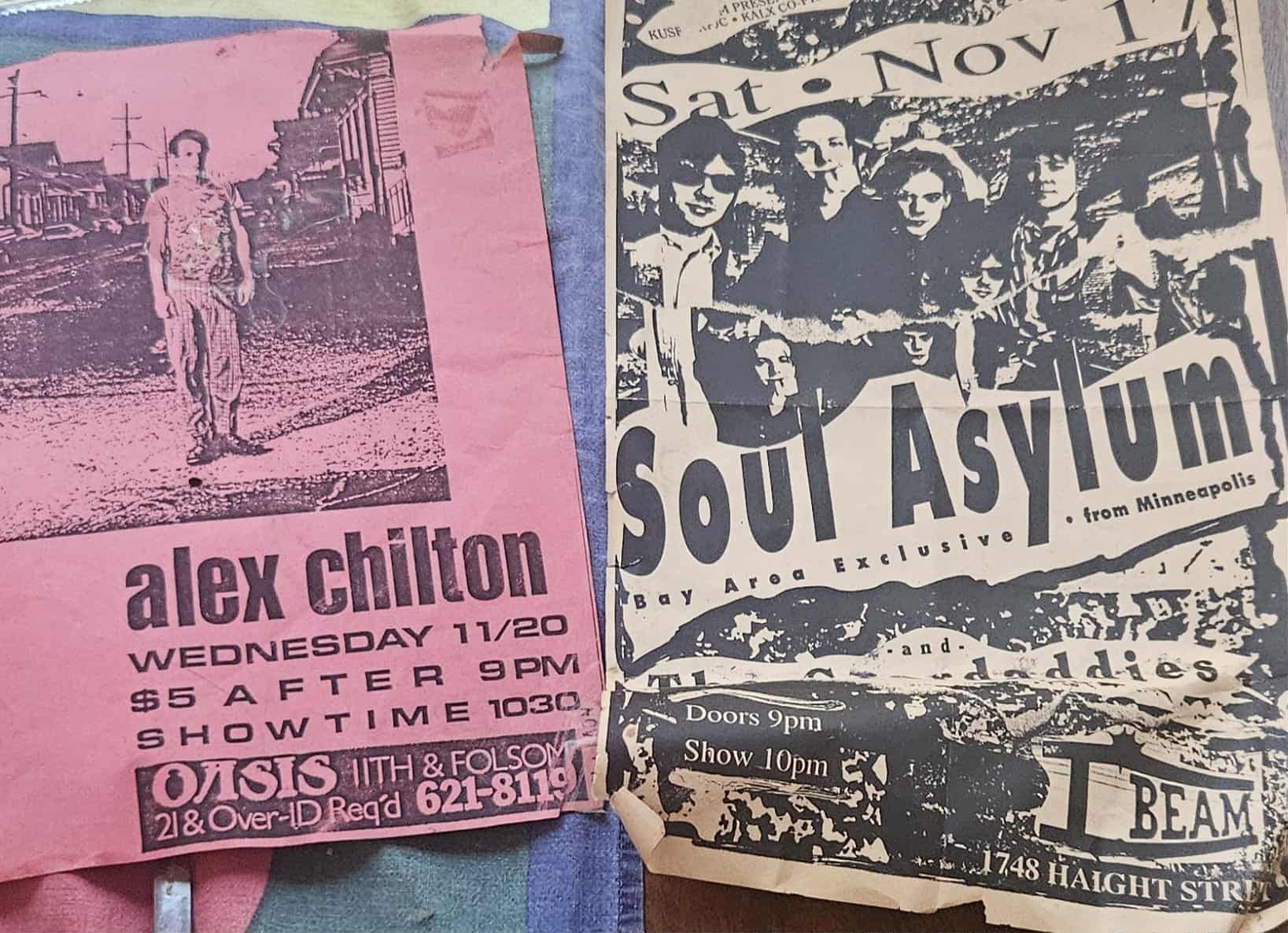
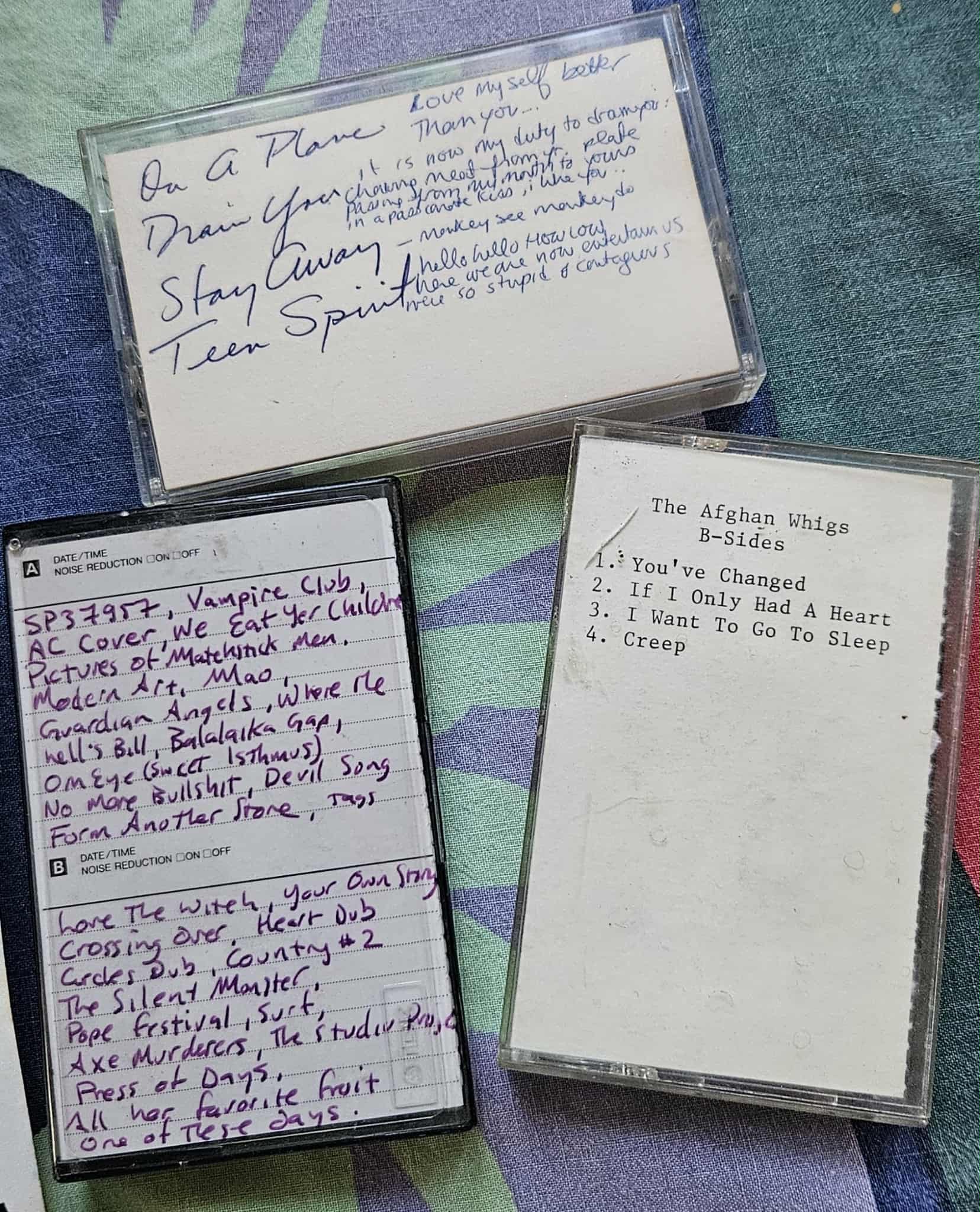
Well, to begin, we heard the music on this thing called “college radio,” or we read about it in some printed matter called “fanzines” that were passed from hand to hand. Then we went to the shows that we knew about because of an item of paper called “flyers” which were taped to walls of nightclubs and cafés and telephone poles in the neighborhoods where we lived. Often – I know it sounds crazy – we had to actually buy the music in order to hear it, or we’d go see the bands even without hearing them when they came to our town.
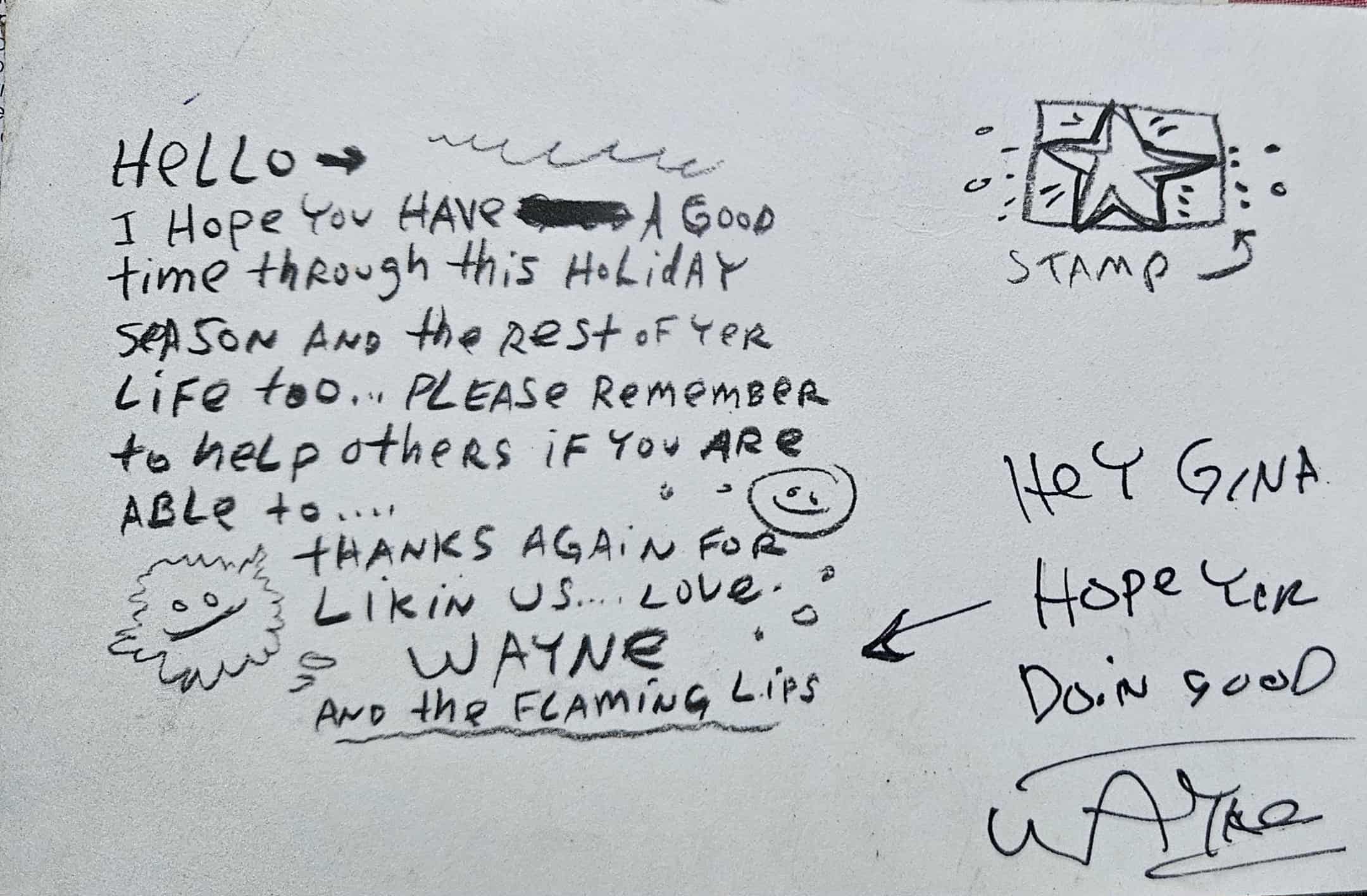
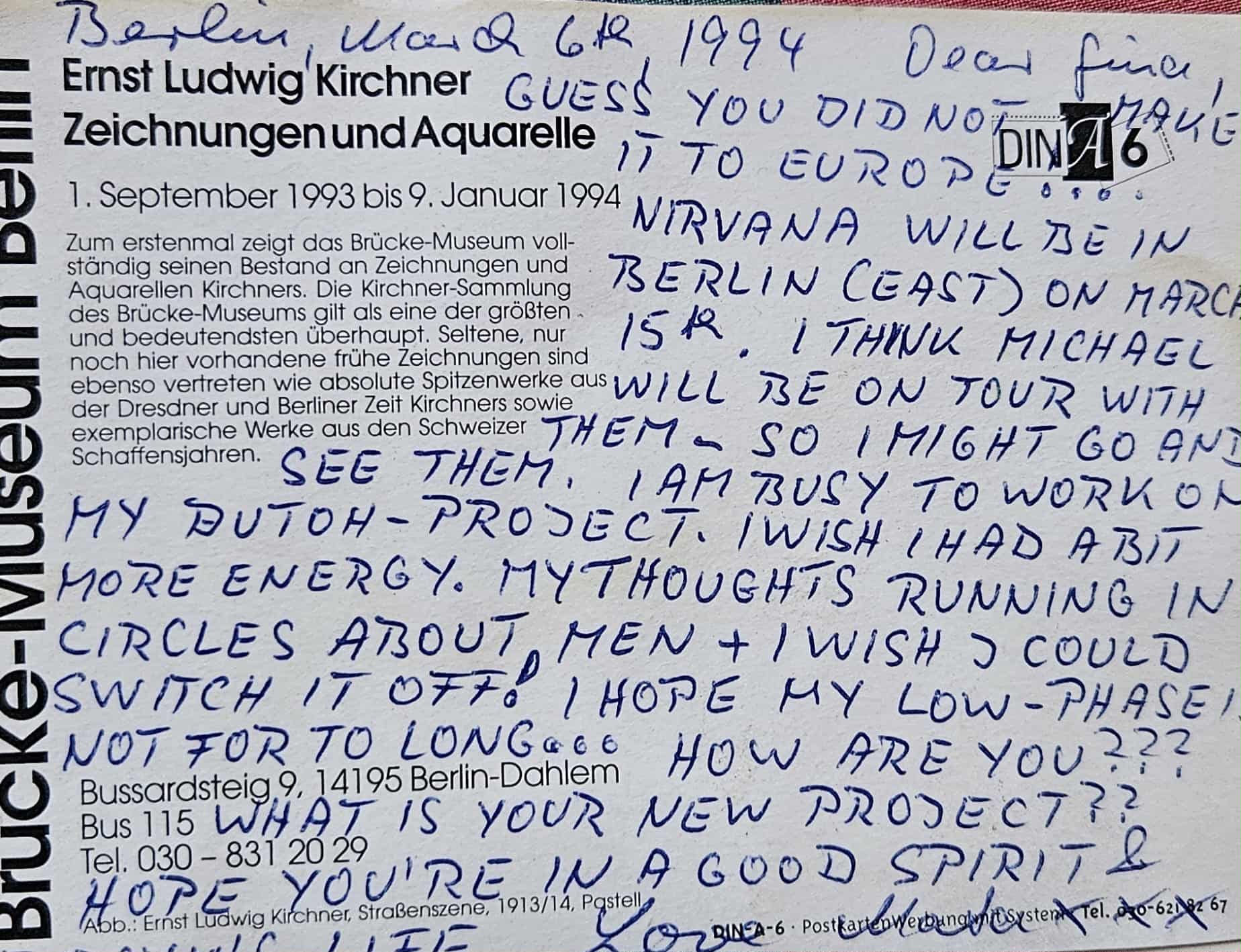
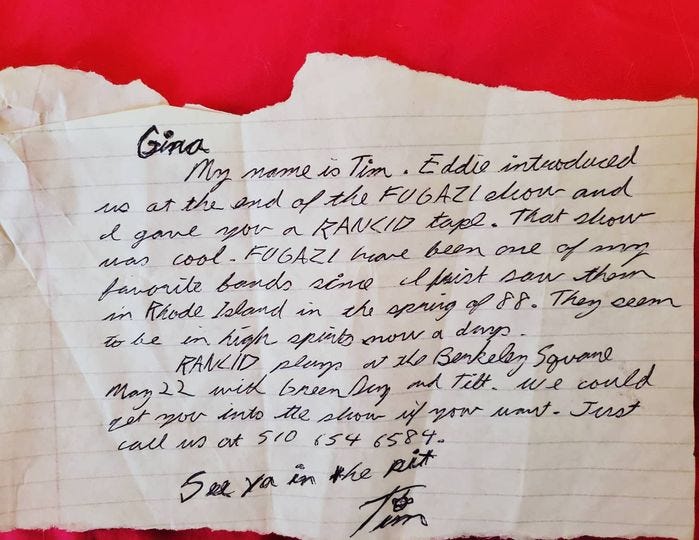
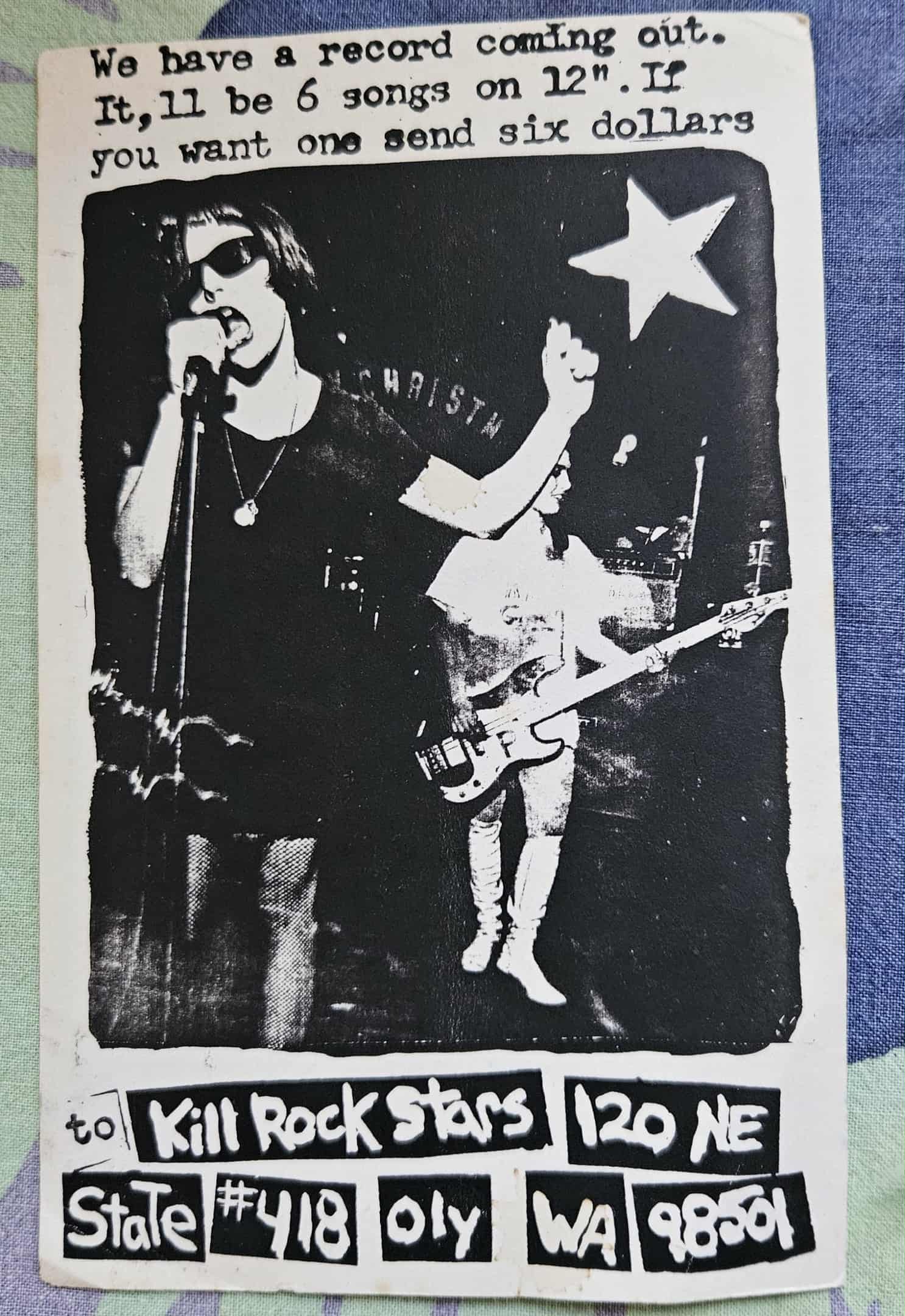
And then we would meet them at the club and if we liked them, we would ask them if they wanted to sleep on our floor after the show, or at least stay in touch with one another via postcard, as if we were love-struck ladies in a Victorian novel, or else we would just write our phone numbers on tiny slips of paper which we kept safe, somehow. Sometimes we would just write the number on our hands.
It all sounds very elaborate and primitive in retrospect, but in the midst of it, it felt very new and modern and cutting edge, and it also felt very connected. We formed communities that way in a time when all the other ways to form them were rigid and formal and dusty, i.e. joining church groups, or sororities, or swim teams, or even just getting married.
Indie rock saved us from that horror. Instead of shutting down our options, bands like Tsunami created tiny networks built through their production of fanzines and singles and the use of one beat-up van that traveled from town to town.
And all of this starts with the music. 1991, the year I found out about Tsunami (more or less) has subsequently been called The Year That Punk Broke because of the release of “Nevermind,” although in fact 1992 is probably a better date for that, since that was the year that Nirvana toured the fuck out of it and every single human walking down the street in Seattle got signed to a major label, practically. But Nirvana was just the volcano that stuck out of the ocean: roiling around beneath it were hundreds of little bands and one of them was Tsunami. In those 24 months, Tsunami put out an EP, “Headringer,” as well as a number of singles like “Genius of Crack” and “Punk Means Cuddle” which are collected here on LP 4. Today these songs sound surprisingly contemporary, thanks to the twin magics of digitization and postmodernism, which has smashed the music of every era together. But hearing them at the time was like running into a person who had read all the same books – and remember, before social media, it was really hard to find someone like that even in your own neighborhood, much less someone from all the way across the country. Listening to it felt romantic in a way that no longer exists, because it was my music, my experience, my friendships and people…not those imposed by someone else, and that seems all the more miraculous in these days of virality and TikTok, when everything we consume is consumed by everyone else and anonymity and singularity are considered the most degraded of situations.
But ours was a small world, after all, and unlike the work of the many bands of that time who wrote from the vantage point of either the Lower East Side or from a sky-bar on a private jet, Tsunami’s songs took place on a local level. They were set at the playground, the amusement park, in your bedroom, or on a class trip…which were the only places that let’s face it, any of us had ever been. We hadn’t been anywhere else. They sounded so doable, very different musically from speedy runs on the upper neck of a guitar or the high keening wail of contemporaries like Vedder or Cornell or Staley -- though it should be said there is a Pearl Jammish feel to the rhythms of “World Tour” and “Flameproof Suit” which surprises me to recognize at this remove.
Indeed, the songs of Tsunami involve minute experiences and feelings, the opposite of the sweeping and anthemic ideas that swept over hits of that era. They were songs which you could fill in the blanks to fit in with your own experience: “You felt false.” “You fell far?” “You felt you fell far?” Most pop music of that time (not to mention now) glided through your brain, shouting simple slogans about romance or addiction in words of exactly one syllable. Tsunami’s music was so different from that, it was as if it had been made in two entirely difference centuries, on a totally different set of instruments, by two entirely different species.
Recently, in honor of writing this, I put Tsunamis’ songs from that era on Sp*$%^y and after they had played, the algorithm spewed out a bunch of other acts it thought I would like. This included the music of the Breeders and Belly and the Throwing Muses and while I felt the site did me a big disservice by thinking I only like music with two women vocalists, it also reminded me what a rich time it was, and that a lot of it wouldn’t have happened – or at least I wouldn’t have experienced it in the same hands-on, up-close-and-personal way -- if it weren’t for the tireless work of Tsunami.
Brought back a lot of memories of the Bay Area back then. I'm glad to be hearing your voice